- Habit ideas
- Mornings and evenings
- Calm
- Small steps
30 small habit ideas for a calmer life
Calm rarely arrives in one big change. It builds from small things you repeat. Here are thirty to choose from, most under five minutes.
 By JPott Studios
About a 5 minute read
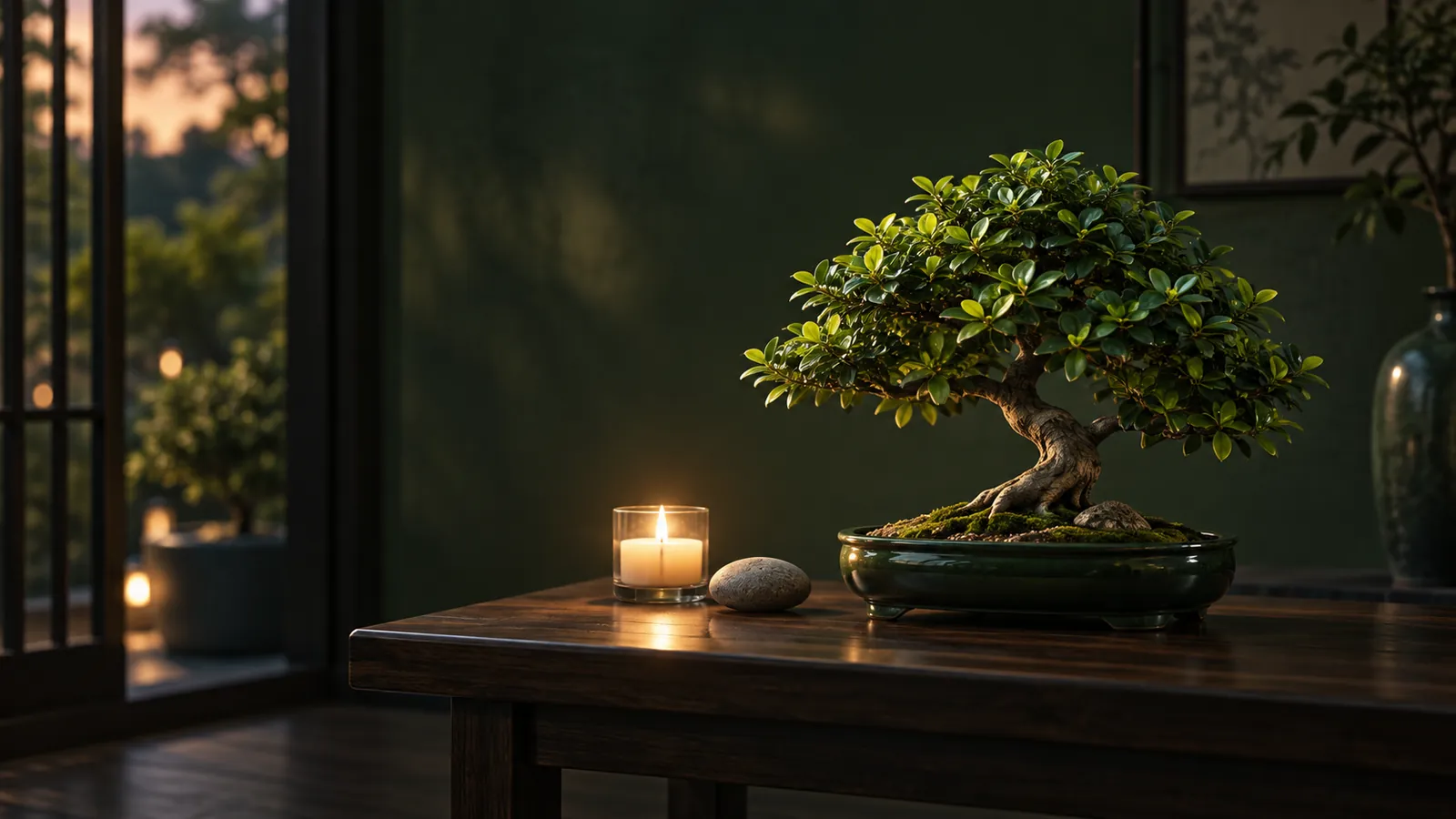
Good small habit ideas for a calmer life are tiny, quick and tied to a moment you already have. Think of a clear counter in the morning, a few slow breaths before a hard email, or a phone that stays out of the bedroom.
Below are thirty of them, grouped by time of day and area of life. None take more than about fifteen minutes, and most take less than five. You don't need all of them, just one or two that fit the life you actually have.
How to use these small habit ideas
Read through and notice which ideas make you think "oh, that would help". Pick one, two at most. Give each a clear moment in your day to attach to, and a tiny version for busy days.
Once it feels normal, which usually takes a few weeks, come back and add another.
Thirty ideas, six parts of the day
Jump to the part of your day that feels most rushed.
For calmer mornings
- Drink a glass of water before your tea or coffee. Leave the glass out the night before.
- Keep your phone away for the first 15 minutes. Let your own thoughts arrive before everyone else's.
- Open the curtains and look outside for a minute. Notice the weather, the light, the sky.
- Make your bed. A two minute job that makes the room feel finished.
- Choose one priority for the day. Just one. Write it on a sticky note.
- Stretch for two minutes. Slow and gentle, nothing that hurts.
Two or three of these, done in the same order, make a simple morning routine you can actually keep. If water is the one you pick, here's how to drink more water every day without having to think about it.
For the middle of the day
- Take five slow breaths before you open email or messages.
- Eat lunch away from your screen. Even ten minutes counts.
- Take a short walk outside. Around the block is enough.
- Do one task at a time for 25 minutes. Close the other tabs first.
For gentler evenings
- Write down tomorrow's first task before you stop work. It helps your mind switch off.
- Clear the kitchen sink before bed. You'll be glad of it in the morning.
- Set out tomorrow's clothes. One less decision first thing.
- Note one good thing from today. Small counts: a good cup of tea, a kind message.
- Charge your phone outside the bedroom. A basic alarm clock can take over.
- Read a few pages of a paper book.
- Dim the lights an hour before bed. A gentle signal that the day is winding down.
For a calmer home
- Tidy for ten minutes. Set a timer and stop when it rings.
- Reset one surface. The entryway, the coffee table or your desk.
- Put one thing back where it belongs each time you leave a room.
- Water your plants. The real ones.
- Declutter one small spot a week. A drawer, a shelf, the bag you carry every day.
From JPott Studios
One calm email a month
One useful tip, one free printable or tool, and a short note from our apps. Join and get the free welcome pack: printable trackers, a packing list maker and more.
For kinder connections
- Message someone you love. No reason needed.
- Say thank you properly. Name the specific thing they did.
- Give one honest compliment a day.
- Call a friend or relative once a week. Keep it to the same day each week.
For a quieter mind
- Sit quietly for two minutes. Nothing to download. Just notice your breathing.
- Write three lines in a journal. What happened, how you felt, what you want tomorrow.
- Stop reading the news after a set time. For example, nothing after 8pm.
- Spend ten minutes on something just for fun. Drawing, music, a puzzle, a song you love.

Which small habit should you start with?
If you're not sure, three quick questions can help you choose.
- When does my day feel most rushed or tense? Choose a habit for that part of the day. If mornings are chaos, start by setting out clothes the night before, or by keeping your phone away for the first fifteen minutes.
- What small thing do I already wish I did? The idea you keep coming back to usually has the most pull.
- What could I do even on a bad day? Pick a version small enough that tiredness is no excuse. You can always do more.
It also helps to choose something with a quick, visible payoff. A clear sink or a made bed rewards you the moment you finish, and that small reward is part of what makes you want to do it again tomorrow.
The same rule works for a fresh start in January. One or two small habits beat a long list, which is the whole idea behind New Year habits that last past February.
How do you make a small habit stick?
Small habits are easy to do and, because they're small, easy to forget. A few things help:
- Attach it to something you already do: "After I switch the kettle on, I'll take five slow breaths." That's called habit stacking.
- Make it visible. Leave the journal on your pillow. Put the water glass next to the kettle.
- Keep a simple record, like a tick on a calendar or our free printable habit tracker on the fridge. Watching the ticks add up is quietly motivating.
- Be flexible about the schedule. "Call a friend" might be weekly, not daily. Choose what fits.
- Expect to miss sometimes. It's part of it. Pick it up again the next day, and if a gap gets long, our guide on getting back after a broken streak can help.
Keep these off your to-do list, by the way. A list is for one-off jobs, and these repeat. Here's more on the difference between a habit tracker and a to-do list.
If you'd like to track them on your phone, many of these ideas are among the ready-made habits in Planted Habits, and each habit you add grows its own plant as you keep it.
A note on calm. These habits can make ordinary days feel a little easier. They're not a treatment for anxiety, depression or any health condition. If you're struggling, please talk to a doctor or someone you trust. You deserve real support, not just a better routine.
Not sure which idea to try first? Take the habit builder quiz: seven quick questions, and a starting point that fits how you like to build habits.
From JPott Studios
One calm email a month
One useful tip, one free printable or tool, and a short note from our apps. Join and get the free welcome pack: printable trackers, a packing list maker and more.