- New Year guide
- Fresh start
- Resolutions
- Planning
New Year habits that last past February
January plans are built for the fresh start feeling. Here's how to build them for an ordinary wet Wednesday in February instead.
 By JPott Studios
About a 6 minute read
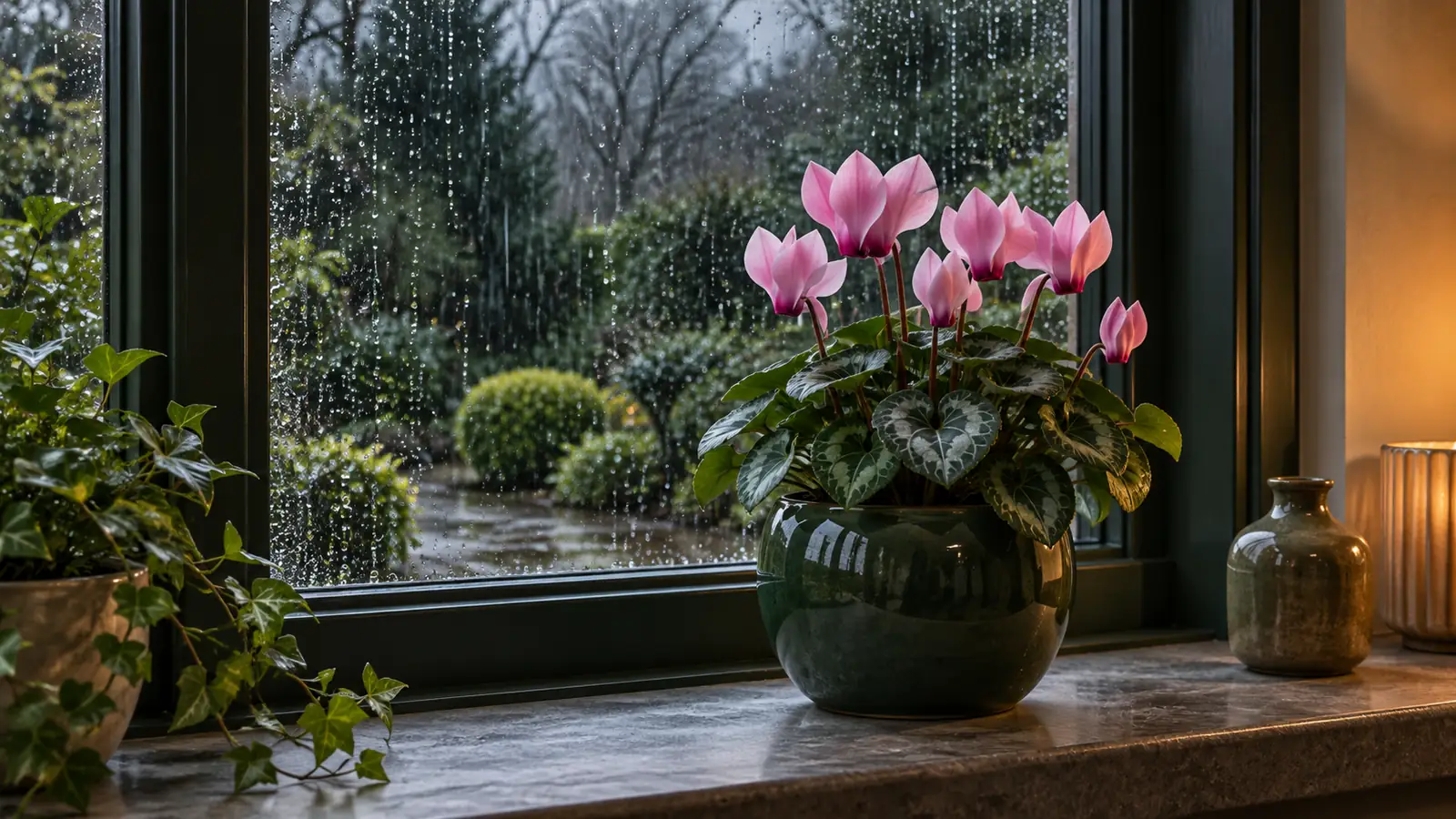
New Year habits that last are built for February, not for January 1st. Pick one or two, make them small and specific, set them for your hardest week, and decide now what happens on the days you miss. The steps below walk you through it.
January has its own energy. The calendar resets, the gyms fill up and notebooks fill with plans. Then February arrives, normal life comes back, and a lot of those plans quietly slip away.
That isn't a willpower problem. The plans were built for the fresh start feeling of New Year's Day, not for an ordinary wet Wednesday a few weeks later.
Why do New Year resolutions fade?
Most resolutions don't fail for one big reason. They fade for a few very ordinary ones:
- Too many at once. Five new habits compete for the same limited time and energy.
- Too big from day one. An hour of exercise every day is a huge jump from none.
- Outcomes instead of actions. "Get fit" or "be less stressed" doesn't tell you what to do on Tuesday at 7pm.
- All or nothing thinking. One missed day feels like the whole plan is ruined, so it stops.
- The novelty wears off. New Year motivation is real, but it's temporary, and a habit needs to keep running without it.
The good news is that the New Year boost is real, and you can put it to work.
Use the fresh start, then plan for February
Researchers have described a "fresh start effect": people are more likely to begin working on goals at natural starting points, like a new year, a new month, a birthday or even a Monday.
That boost is worth using. Just treat January 1st as the launch, not the whole plan, and decide now how you'll keep the habit going once the boost fades.
More fresh starts are coming, too: the first of every month, every Monday, and any day you decide to begin again.
Step 1: Choose one or two habits, not ten
Write down everything you'd like to change this year. Then pick the one or two that would make the biggest difference to how your days feel, and put the rest on a "later" list. You can add one in March, once the first is steady.
Stuck for ideas? Our list of small habit ideas for a calmer life has thirty to choose from, most of them under five minutes.
Step 2: Turn each resolution into an action
A resolution is a direction. A habit is a specific thing you do. Here's how a few common resolutions might translate:
- "Get fit" becomes: walk for 15 minutes after lunch on weekdays.
- "Read more" becomes: read 10 pages before bed.
- "Save money" becomes: check my spending for five minutes every Sunday.
- "Be less stressed" becomes: two minutes of slow breathing when I sit down at my desk.
- "Eat better" becomes: add one vegetable to dinner.
- "Less phone time" becomes: my phone charges in the kitchen overnight.
- "Keep the house tidy" becomes: a ten minute tidy before bed.
Each one says what, when and how much. You could start any of them tonight without needing more information.
Notice that they all repeat. One-off jobs, like buying new trainers, belong on a to-do list. If you're not sure which is which, here's how a habit tracker and a to-do list differ.
Step 3: Set it for your worst week, not your best
Picture a February week where work is busy, the weather is grim and someone at home has a cold. What version of the habit could you still manage? Start there.
Daily isn't required, either. Three times a week, kept up for a year, beats every day for three weeks.
Step 4: Give it a trigger and a place
Link each habit to something you already do: "after I make my morning coffee", or "when I get home and put my keys down".
Then set up your space so the first step is easy. Shoes by the door, a book on the pillow, the journal next to the kettle.
From JPott Studios
One calm email a month
One useful tip, one free printable or tool, and a short note from our apps. Join and get the free welcome pack: printable trackers, a packing list maker and more.
Step 5: Track it where you'll see it
A visible record keeps a habit in view after the January buzz wears off. It can be as simple as a paper grid on the fridge, and our free printable habit tracker makes one for any month, with up to five habits.
If you'd rather use your phone, Planted Habits grows a plant for each habit as you check in. A plant reaches full bloom at 28 check-ins, so a daily habit started on New Year's Day is in full flower on January 28th, just before February arrives.
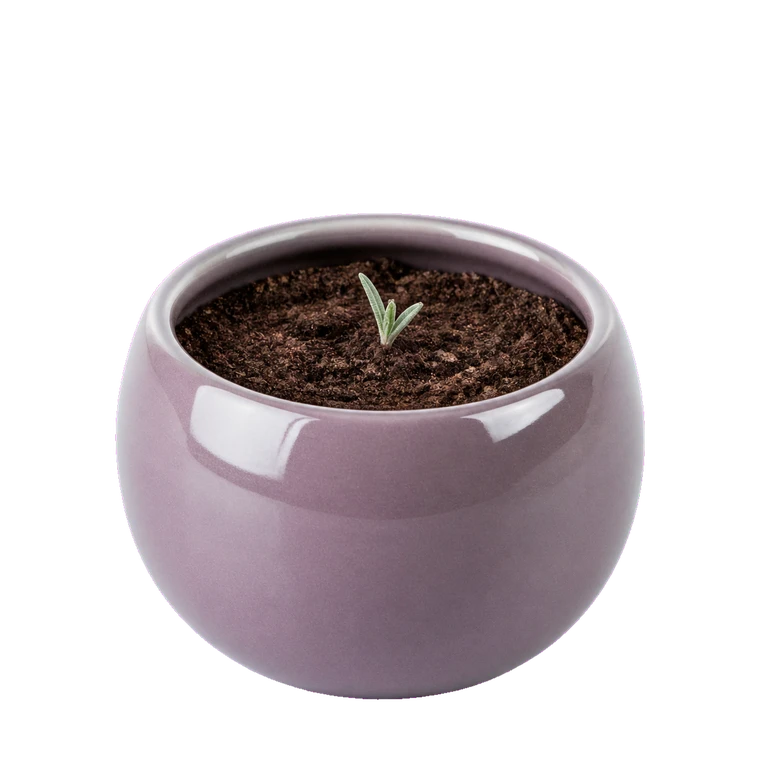
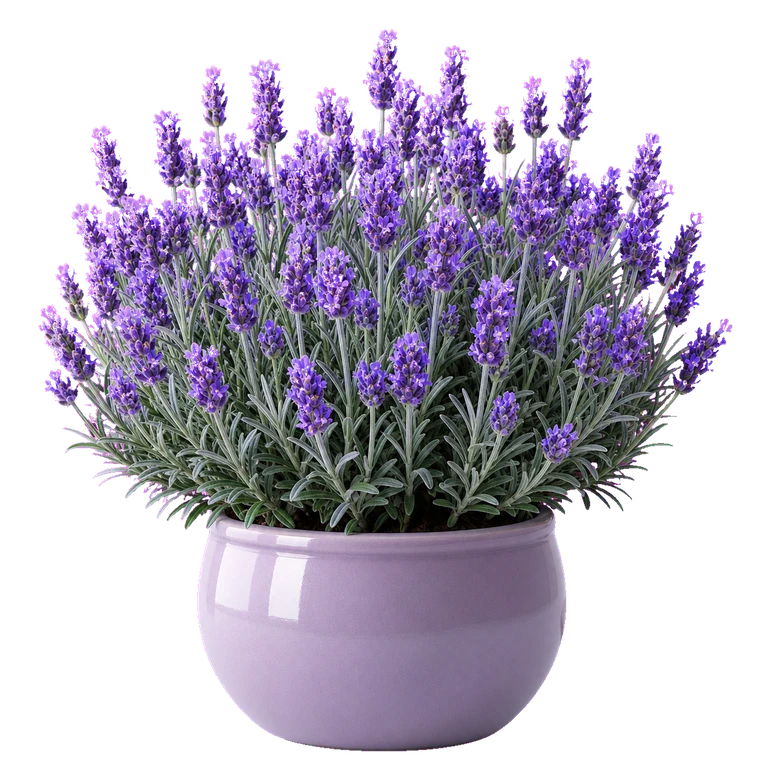
A daily habit started on 1 January
When each of the eight plant stages arrives in Planted Habits, with one check-in a day.
- 1PlantedStart
- 21 check-in1 Jan
- 33 check-ins3 Jan
- 47 check-ins7 Jan
- 510 check-ins10 Jan
- 614 check-ins14 Jan
- 721 check-ins21 Jan
- 828 check-ins28 Jan
Step 6: Put a February check-in in your calendar
Today, add a 15 minute appointment with yourself for around February 1st. When it comes round, ask:
- Which habit is going well, and why?
- Which one is slipping, and what gets in the way?
- Does anything need to be smaller, moved to a different time, or dropped?
- Am I ready to add one more from my "later" list?
Shrinking a habit in February is a win, not a failure. Five minutes a day that survives until December is worth far more than an hour a day that stops on February 10th.
Step 7: Decide now how you'll handle missed days
You'll miss some days. Everyone does. Decide in advance that one missed day means nothing, and that the only rule is to start again the next day.
If that part is hard for you, I broke my streak. Now what? is written for exactly that moment.
A one page plan for New Year habits that last
For each habit, write down:
- The habit as an action: what, when and how much
- The trigger: "after I ..., I will ..."
- The minimum version for hard days
- Where you'll track it
- Your February check-in date
That's it. Small, specific and planned for real life is what's still standing in spring.
For more on the basics, see how to build a habit that actually sticks. And if you'd like your first habit to be a morning one, try a simple morning routine you can actually keep or these ideas on how to drink more water every day.
From JPott Studios
One calm email a month
One useful tip, one free printable or tool, and a short note from our apps. Join and get the free welcome pack: printable trackers, a packing list maker and more.